
More Than Just a Break: Unpacking the Latest Tea Consumption Trends in Pakistani Offices
In Pakistan, tea is more than a beverage; it’s a cultural cornerstone. It’s the catalyst for conversation, the punctuation mark in a busy day, and the warm welcome extended to guests. This deep-rooted tradition flows seamlessly from our homes into our workplaces. The ritual of the “chai break” is an institution, a moment to pause, connect, and recharge. But just as the modern Pakistani workplace is evolving, so too are its tea-drinking habits. The simple cup of doodh patti, while still beloved, is now sharing the spotlight with a diverse array of new brews.
For office managers, HR professionals, and business leaders, understanding these shifting preferences is crucial. The office pantry is no longer just a utility; it’s a reflection of company culture and a key factor in employee wellness and satisfaction. At Bloom & Brew, we’re at the forefront of this evolution, observing and catering to the new wave of tea consumption in corporate Pakistan. Let’s explore the trends that are reshaping the office tea station.
The Enduring Legacy of Chai in the Pakistani Workplace
Before diving into the new, it’s essential to appreciate the constant. The strong, milky, and aromatic karak chai remains the undisputed champion of the Pakistani office. It’s the fuel that powers late-night deadlines and the social glue that strengthens team bonds. The familiar clink of cups and the inviting aroma wafting from the kitchen are synonymous with productivity and camaraderie.
This tradition is often facilitated by the office “chai wala,” a cherished figure who masters the art of the perfect brew, or through frequent orders from the local tea stall. This classic chai experience represents comfort, familiarity, and a shared cultural identity. It fosters informal interactions, breaks down hierarchies, and provides a much-needed mental reset. While new trends emerge, the demand for a genuinely good, traditional cup of chai is unwavering. It’s the baseline upon which all other tea preferences are built.
The Winds of Change: Emerging Tea Trends in Modern Offices
The contemporary office is a melting pot of different generations, mindsets, and lifestyle choices. This diversity is directly influencing the demand for a wider variety of beverage options. Here are the key trends making their mark on office tea culture across Pakistan.
The Rise of Health and Wellness Teas
Health consciousness is no longer a niche interest; it’s a mainstream movement. Employees are increasingly aware of what they consume and are actively seeking healthier alternatives to sugary drinks and excessively milky teas. This has led to a significant surge in the popularity of wellness-oriented teas.
- Green Tea: Once considered an acquired taste, green tea in the office is now a staple. Packed with antioxidants and known for its ability to improve focus without the jitteriness of strong coffee, it’s the go-to choice for health-conscious professionals looking for a gentle energy lift.
- Herbal Infusions: The demand for caffeine-free options has brought herbal teas into the limelight. Calming blends like chamomile are perfect for de-stressing after a challenging meeting, while invigorating options like peppermint or ginger-lemon are sought after for their digestive benefits and refreshing taste. These infusions cater to the holistic well-being of the workforce.
A Taste for the Exotic: The Gourmet and Specialty Tea Niche
As palates become more sophisticated and exposed to global trends, the demand for premium and specialty teas is growing. Employees, particularly in creative and multinational companies, are looking for a more refined tea experience that goes beyond the standard black tea bag.
- Classic Black Tea Blends: Aromatic and robust blends like Earl Grey, with its distinctive bergamot flavour, and the classic English Breakfast are becoming increasingly common. They offer a sense of affordable luxury and a departure from the everyday.
- Exploring New Frontiers: More adventurous offices are even exploring teas like Oolong, known for its complex flavour profile, or fruit-infused tisanes that offer a sweet and tangy alternative. Offering such gourmet tea for the office signals a modern, employee-centric approach.
Convenience is King: The Popularity of Tea Bags and Vending Solutions
While the romance of a freshly brewed pot of chai is undeniable, the fast-paced nature of modern work demands efficiency. This has cemented the role of convenient tea solutions that deliver quality without the wait.
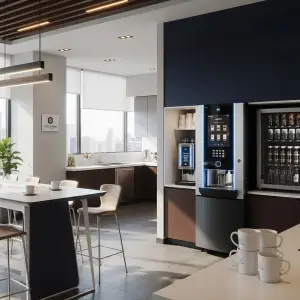
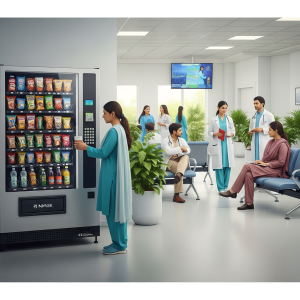
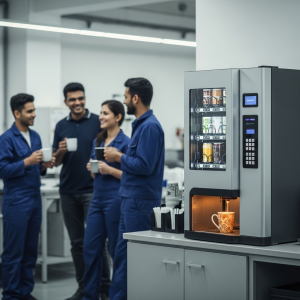
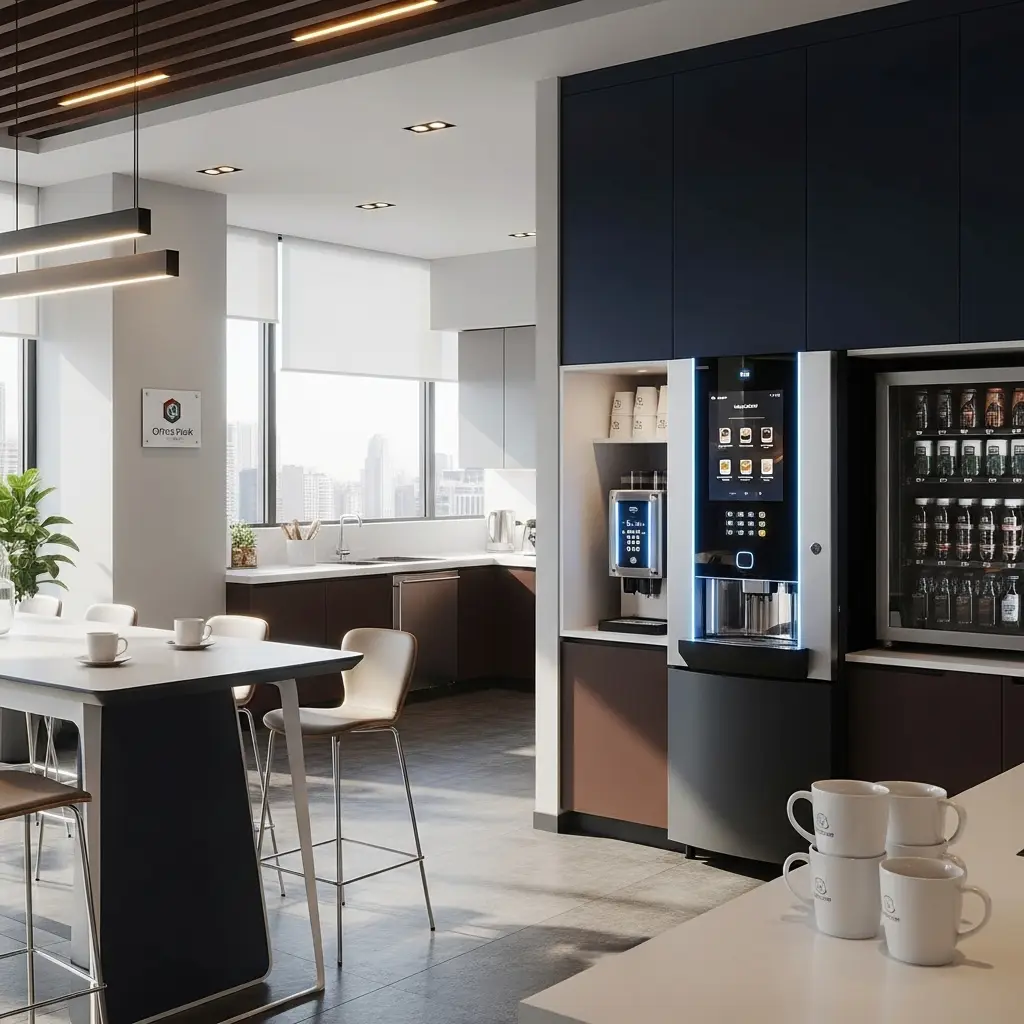
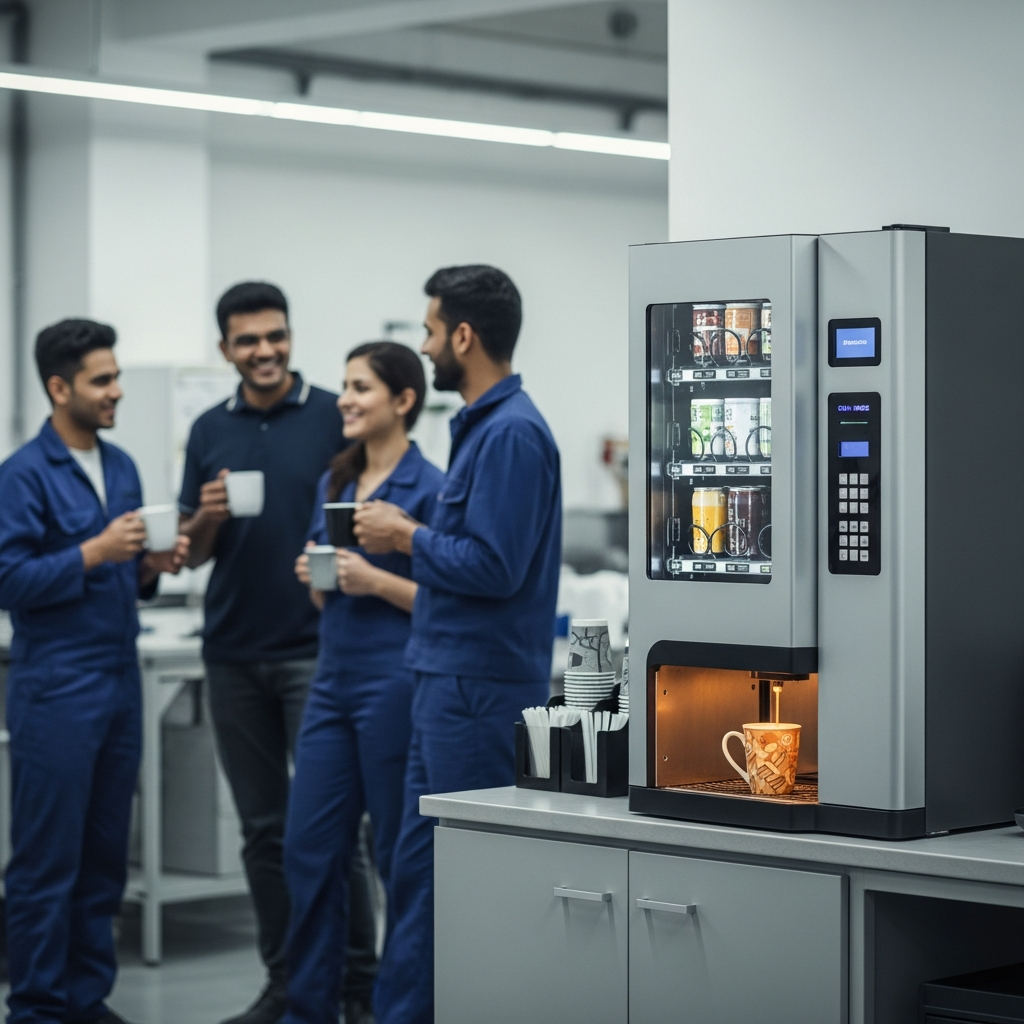
High-quality, individually wrapped tea bags are a non-negotiable. They offer variety, hygiene, and consistency, allowing each employee to brew their cup exactly to their liking. Furthermore, modern office tea solutions like tea vending machines are gaining traction. These machines can offer a range of options—from karak chai and masala chai to green tea and cardamom tea—at the push of a button, ensuring a quick, consistent, and hassle-free experience for everyone.
Sustainability and Ethical Sourcing: A Growing Concern
The modern employee, especially from the Millennial and Gen Z demographics, is an increasingly conscious consumer. They care about the story behind their products—where they come from, how they were produced, and their impact on the environment and communities. This mindset is entering the workplace, influencing procurement decisions.
Offices that provide teas that are certified organic, fair-trade, or sourced from sustainable estates are making a powerful statement. It shows a commitment to corporate social responsibility (CSR) that resonates deeply with today’s workforce. Highlighting ethical tea sourcing is not just good for the planet; it’s good for employer branding.
How These Trends Impact Office Culture and Productivity
Adapting to these tea trends is more than just stocking a few new boxes in the pantry. It has a tangible impact on the work environment.
- Enhanced Employee Morale: When a company invests in high-quality tea and coffee, it sends a clear message: “We value you.” Catering to diverse tastes shows that the organisation cares about individual preferences and well-being.
- Fostering an Inclusive Culture: A diverse tea selection ensures that everyone—from the traditional chai lover to the health-conscious green tea drinker—feels included and catered for.
- Boosting Productivity and Focus: Providing healthier options like green and herbal teas can aid concentration and reduce the post-lunch slump. A well-timed tea break, with a beverage an employee genuinely enjoys, can be the perfect way to recharge and refocus.
- Creating Collaborative Spaces: A well-stocked, inviting tea station becomes a natural hub for informal interaction and collaboration. It encourages employees from different departments to connect, share ideas, and build stronger professional relationships.
Creating the Perfect Office Tea Station with Bloom & Brew
Ready to revitalise your office breakroom? It’s simpler than you think. The key is to offer variety and quality. Start by surveying your employees to understand their preferences. A great starting point is to ensure you have the “big four” categories covered: traditional chai, a standard black tea, green tea, and a popular herbal infusion like peppermint.
But why stop there? Elevating the experience is in the details. Provide different sweeteners like honey and brown sugar, offer various milk options, and invest in good quality mugs and electric kettles. This small investment can transform your pantry from a simple kitchenette into a vibrant and appreciated office perk.
At Bloom & Brew, we specialize in understanding and serving the evolving needs of the Pakistani workplace. We offer a curated selection of premium teas, from authentic karak chai blends to delicate green teas and aromatic specialty infusions. We provide comprehensive corporate tea supply solutions designed to delight your team and simplify your procurement process. Let us help you create a tea experience that fuels productivity and fosters a positive, welcoming company culture.
Frequently Asked Questions (FAQ)
1. What is the most popular type of tea in Pakistani offices?
Without a doubt, traditional strong milk tea (doodh patti or karak chai) remains the most consumed and beloved beverage in the vast majority of Pakistani offices. However, green tea is quickly catching up as the second most popular choice due to a growing health consciousness.
2. How can offering better tea improve our company culture?
Offering a diverse, high-quality selection of teas shows that you care about employee well-being and individual preferences. It fosters an inclusive environment, turns the breakroom into a positive social hub, and acts as a daily perk that boosts morale and makes employees feel valued.
3. Is green tea a good option for office productivity?
Absolutely. Green tea contains L-theanine, an amino acid that promotes relaxation and focus without drowsiness, along with a moderate amount of caffeine. This combination can enhance brain function, improve alertness, and boost productivity, making it an excellent choice for a mid-day pick-me-up.
4. What are the benefits of using a corporate tea supplier like Bloom & Brew?
Using a dedicated supplier like Bloom & Brew simplifies your procurement process, ensures consistent quality, and provides access to a wider variety of products. We manage the inventory, offer tailored solutions for your office size and budget, and stay on top of the latest trends so you can be confident you’re offering the best to your employees.
5. How much tea does the average office worker in Pakistan drink?
While exact figures vary, it’s common for an office worker in Pakistan to consume 2 to 4 cups of tea per day. This typically includes a cup in the morning, one after lunch to combat the afternoon slump, and often another during a mid-morning or late-afternoon break.