
The Ultimate Guide: How to Clean a Coffee Vending Machine for a Perfect Brew Every Time
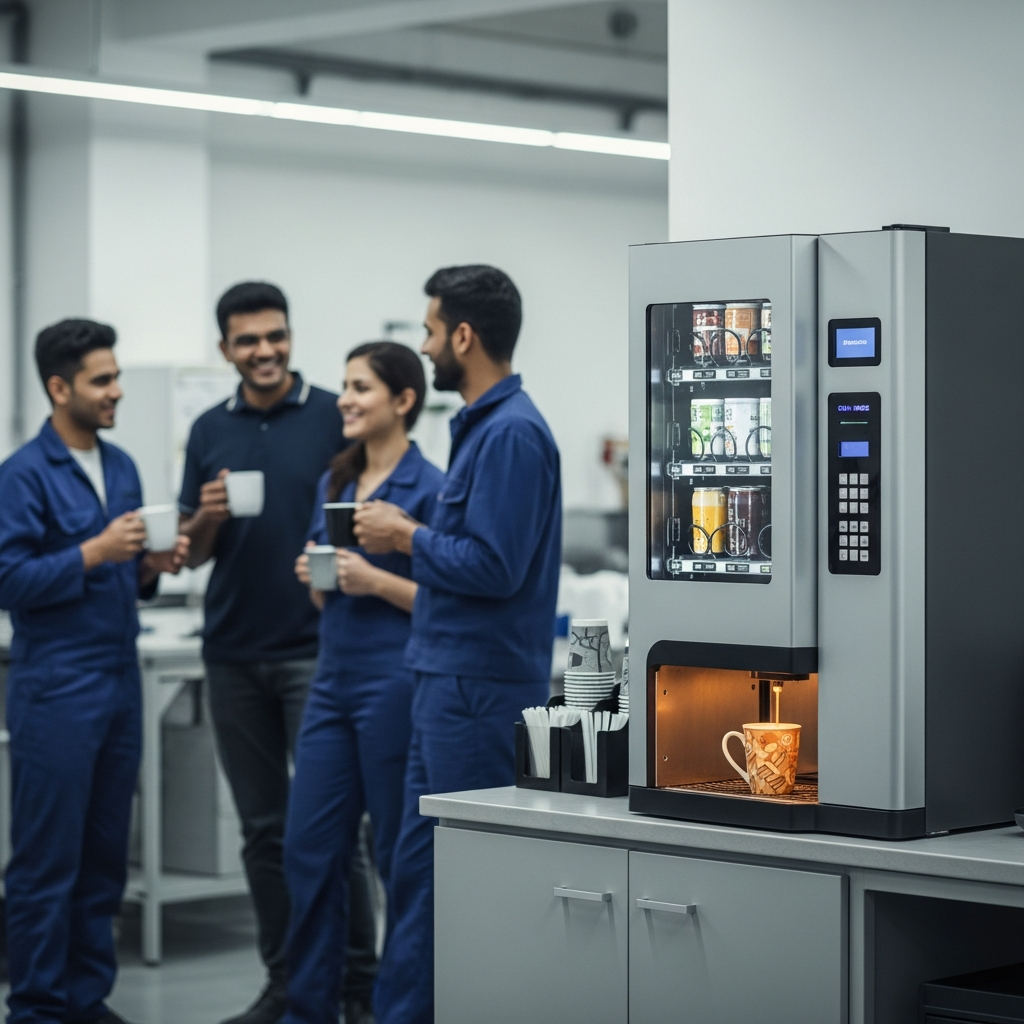
There’s nothing quite like that first sip of coffee in the morning at the office. It’s the fuel that kickstarts productivity and a small daily ritual many of us look forward to. But what happens when that coffee starts to taste a little… off? Or when the machine sputters and struggles to dispense your cup of chai? The culprit is often a simple one: a machine in desperate need of a good clean.
In Pakistan’s bustling office environments, a coffee vending machine is more than a convenience; it’s a hub of social interaction and a key part of employee morale. Yet, its maintenance is frequently overlooked. A dirty machine not only serves up subpar coffee but can also become a breeding ground for bacteria and lead to expensive breakdowns.
At Bloom & Brew, we believe that a great cup of coffee starts with a clean machine. This comprehensive guide will walk you through everything you need to know about properly cleaning your coffee vending machine, ensuring every cup is fresh, delicious, and hygienic.
Why a Clean Coffee Vending Machine is Crucial for Your Business
Before we dive into the “how,” let’s understand the “why.” Investing a few minutes each day and a little more each week in cleaning your machine pays off in three significant ways.
1. Unbeatable Flavour and Aroma
Old coffee grounds, stale milk residue, and mineral buildup (limescale) can all contaminate the taste of your coffee. These residues impart a bitter, burnt, or sour taste, masking the true flavour of the premium beans you’re using. A clean machine ensures that the water path, brewing chamber, and nozzles are free from contaminants, allowing the rich, authentic flavours and aromas to shine through in every cup.
2. Health and Hygiene Standards
A warm, moist environment like the inside of a coffee machine is an ideal breeding ground for mould, yeast, and bacteria. This is especially true for the parts that handle milk and sugar. Regular cleaning and sanitization are not just about taste; they are critical for the health and safety of your employees and visitors, preventing the spread of germs and ensuring your workplace meets hygiene standards.
3. Machine Longevity and Cost Savings
Limescale and coffee oil buildup are silent killers of coffee machines. Limescale clogs pipes and damages heating elements, forcing the machine to work harder and eventually leading to breakdowns. Coffee oils can clog the brewing unit and solenoids. Regular cleaning prevents these issues, extending the lifespan of your valuable asset and saving you from costly repair bills and downtime.
Before You Begin: Safety First and Gathering Your Supplies
Proper preparation makes the entire process smoother and safer. Before you start, take a moment to gather your tools and review the safety basics.
Essential Cleaning Supplies
- Soft, lint-free cloths or microfibre towels: For wiping surfaces without scratching them.
- Warm, soapy water: Using a mild, food-safe dish soap.
- Food-grade sanitizer: To ensure all components are hygienic.
- Assorted soft brushes: A small nozzle brush and a larger brush are essential for reaching tight spots.
- Commercial descaling solution: Specifically designed for coffee machines for best results.
- A bucket or large bowl: For soaking removable parts.
- Protective gloves: To keep your hands clean and protected from cleaning agents.
Safety Precautions
ALWAYS unplug the coffee vending machine from the power source before you begin any cleaning. Water and electricity are a dangerous combination. If you are unsure about any step, consult your machine’s user manual. It is the most reliable source of information for your specific model.
The Ultimate Step-by-Step Guide to Cleaning Your Coffee Vending Machine
Consistency is key. We’ve broken down the cleaning process into daily, weekly, and monthly tasks to make it manageable and highly effective.
Step 1: Daily Cleaning Routine (The 5-Minute Wipe-Down)
This quick routine should be done at the end of every business day to prevent buildup.
- Wipe Down Surfaces: Use a damp cloth to wipe the exterior of the machine, the selection panel, and the dispensing area. Clean up any spills immediately.
- Empty the Drip Tray: The drip tray catches spills and overflow. Empty it, rinse it with warm water, and wipe it dry. A full drip tray is a breeding ground for bacteria.
- Clean the Dispensing Nozzle: The nozzle where the coffee comes out can get clogged with residue. Wipe it carefully with a cloth soaked in warm water.
- Check Ingredient Levels: While you’re there, check the levels of coffee beans, milk powder, and other ingredients to ensure the machine is ready for the next day.
Step 2: Weekly Deep Clean (The Thorough Overhaul)
Set aside 20-30 minutes once a week for a more thorough clean. This tackles the areas the daily wipe-down misses.
- Power Off and Unplug: Your first step is always safety. Disconnect the machine from power.
- Remove and Soak All Removable Parts: This includes the drip tray, the waste grounds container, mixing bowls, and whipper units. Soak them in a bucket of warm, soapy water for 15-20 minutes.
- Clean the Ingredient Canisters: Empty the canisters for coffee powder, milk, and sugar. Wipe them out with a dry cloth to remove any caked-on powder. Do not use water unless the manual specifies it’s safe, as moisture can cause powders to clump.
- Scrub and Sanitize Soaked Parts: After soaking, use your brushes to scrub away any stubborn residue from the removable parts. Pay special attention to corners and tubes. Rinse them thoroughly and then use a food-grade sanitizer according to its instructions. Allow them to air dry completely.
- Clean the Machine’s Interior: While the parts are drying, use a damp cloth to wipe down the inside of the machine. Clean around the canister holders and the brewing unit area to remove any spilled powder or coffee grounds.
- Reassemble and Test: Once everything is completely dry, reassemble the machine. Plug it back in, turn it on, and run a rinse cycle or dispense a hot water cycle to flush the system before use.
Step 3: Monthly Maintenance (Descaling and Internal Checks)
Descaling is the process of removing mineral buildup (limescale) from the machine’s internal components, like the boiler and water pipes. This is vital for machine health, especially in areas with hard water.
- Follow the Manual: Every machine has a specific descaling procedure. Always refer to your user manual.
- Use a Proper Descaling Solution: While some suggest home remedies like vinegar, we recommend a commercial descaling solution. It’s formulated to be effective without damaging the machine’s internal seals and metal parts.
- Run the Descaling Cycle: This usually involves adding the descaling solution to the water tank and running a specific maintenance cycle that circulates the solution through the machine’s internal system.
- Rinse Thoroughly: After the descaling cycle is complete, it is crucial to rinse the machine thoroughly. Run at least 2-3 full tanks of fresh water through the system to flush out any remaining cleaning solution. You don’t want your coffee tasting like a descaler!
Common Vending Machine Problems and How Cleaning Solves Them
- Problem: Weak or Watery Coffee.
Cleaning Solution: This is often caused by a clogged brewing unit or dispenser. A weekly deep clean of these components will usually resolve the issue. - Problem: Machine is Leaking.
Cleaning Solution: A leak could be from a full or improperly placed drip tray. It could also be due to a clogged internal hose, which regular descaling can help prevent. - Problem: Ingredients Not Mixing Properly.
Cleaning Solution: Powder residue can build up in the mixing bowls and whipper units, preventing proper mixing. Soaking and scrubbing these parts weekly is the fix. - Problem: Error Codes on Display.
Cleaning Solution: Many error codes are triggered by blocked sensors or stuck parts due to dirt and grime. A thorough cleaning can often clear these errors without needing a technician.
Pro Tips for Maintaining Your Machine in Pakistan’s Climate
Pakistan’s unique climate presents a few specific challenges for coffee machine maintenance. Here’s how to tackle them:
- Combat Humidity: High humidity, especially during monsoon season, can cause powdered ingredients like milk and sugar to clump and clog the machine. Ensure you clean the canisters and dispenser chutes weekly to prevent this. Store bulk ingredients in airtight containers.
- Manage Dust: Dust can easily accumulate on and inside the machine. More frequent wiping of the exterior and the internal compartments will keep dust from interfering with mechanical parts and sensors.
- Water Quality: Water hardness can vary across cities in Pakistan. If you’re in an area with hard water, you may need to descale your machine more frequently than once a month to prevent damaging limescale buildup.
Bloom & Brew: Your Partner in Perfect Coffee
A clean machine is the foundation of a great office coffee experience, but it’s only half the story. The quality of the ingredients you put into it makes all the difference. At Bloom & Brew, we are passionate about providing businesses across Pakistan with premium coffee beans, high-quality vending ingredients, and the expertise to make every cup memorable.
Whether you need advice on maintaining your machine or want to upgrade your office coffee supply, our team is here to help. We understand the local market and are dedicated to delivering solutions that fit your needs and elevate your workplace coffee culture.
Frequently Asked Questions (FAQ)
1. How often should I clean my coffee vending machine?
You should perform a quick clean (wiping surfaces, emptying drip tray) daily. A more thorough deep clean of removable parts should be done weekly. Descaling should be done monthly or more frequently, depending on your water hardness and machine usage.
2. Can I use vinegar to descale my machine?
While vinegar can remove scale, it’s not recommended for most modern commercial machines. Its high acidity can damage internal rubber seals and gaskets over time, and its strong smell can be difficult to rinse out completely. It’s always best to use a manufacturer-approved commercial descaler.
3. What happens if I don’t clean the milk frother or whipper unit?
Milk residue spoils quickly, creating a sour taste and becoming a serious health hazard due to bacterial growth. It will also clog the frothing mechanism, leading to poor performance and eventual part failure. This component must be cleaned diligently.
4. My machine is showing an error. Could it be a cleaning issue?
Yes, very often! Many machine errors are caused by blocked sensors, a full waste bin, or clogged internal parts. Before calling a technician, perform a thorough cleaning cycle as it can often resolve the problem and save you time and money.
5. Where can I get professional coffee machine cleaning services in Pakistan?
Many coffee solution providers offer maintenance and cleaning services. At Bloom & Brew, while our primary focus is on providing top-tier coffee supplies, we can certainly offer expert advice and connect you with trusted service partners to keep your equipment in pristine condition.