Keep the Brew Flowing: Essential Coffee Vending Machine Maintenance for Your Pakistani Office
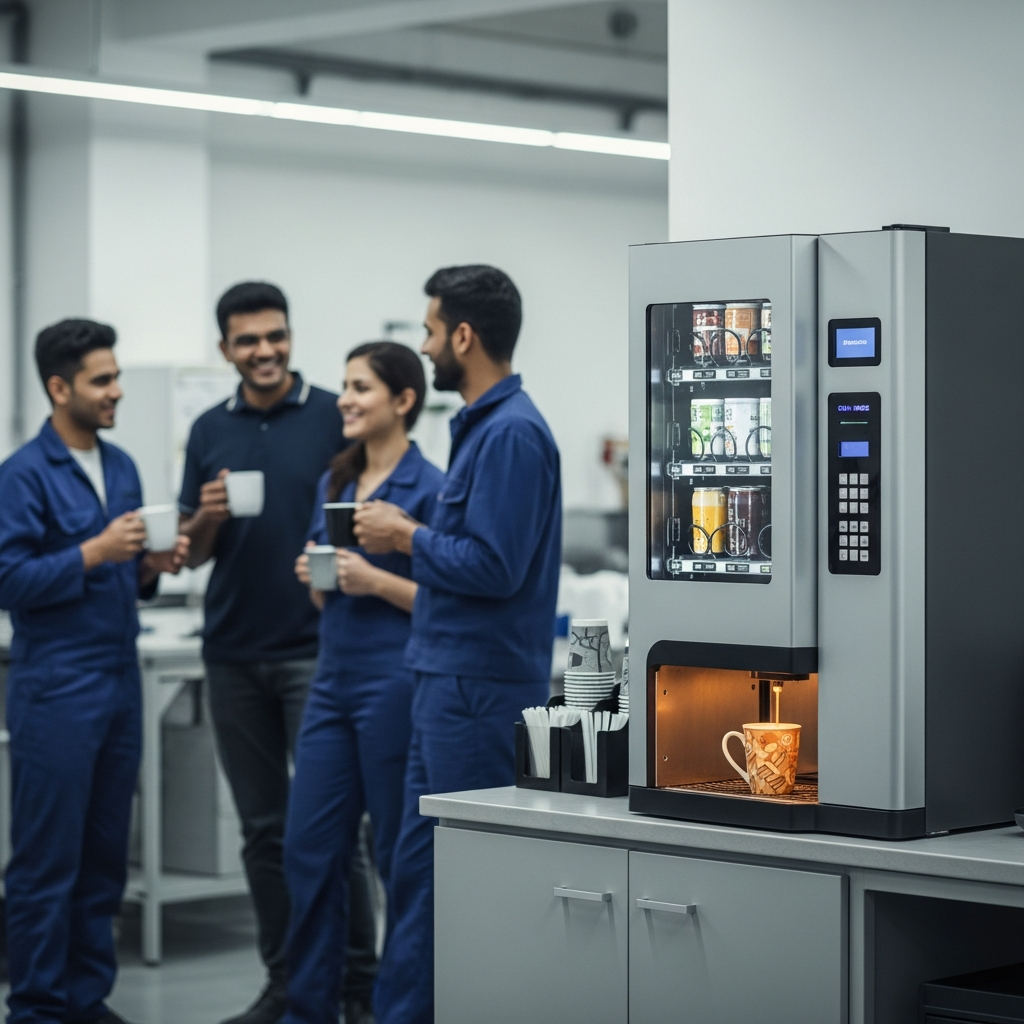
In the bustling offices of Karachi, Lahore, and Islamabad, the coffee vending machine is more than just an appliance; it’s the heart of the workplace. It’s the central hub for morning catch-ups, the fuel for late-night projects, and the silent partner in every productive brainstorming session. But when this vital machine sputters, clogs, or breaks down, the ripple effect is felt throughout the office. A poorly maintained machine doesn’t just mean bad coffee—it means frustrated employees and a dip in morale.
Ensuring your office coffee machine is in top condition is not a complex task, but it requires consistency. Regular maintenance is the key to unlocking a seamless, delicious coffee experience every day. This guide, brought to you by the coffee experts at Bloom & Brew, provides simple, actionable tips to keep your machine running smoothly, your coffee tasting great, and your team happily caffeinated. Let’s dive into the essentials of coffee vending machine care.
Why Regular Maintenance is Non-Negotiable
Investing in a quality coffee vending machine is a great step towards improving your office environment. However, protecting that investment through regular maintenance is what truly pays off. Here’s why a consistent cleaning and care schedule is crucial.
Improves Coffee Taste and Quality
Coffee is a delicate product. Over time, coffee oils, mineral deposits from water (limescale), and milk residue build up inside the machine’s brewing components. This buildup not only restricts water flow but also turns rancid, imparting a bitter, stale, or burnt taste to every cup. Regular cleaning ensures that the only flavour in your cup is that of fresh, delicious coffee beans.
Ensures Hygiene and Employee Health
A warm, moist environment like the inside of a coffee machine is a potential breeding ground for bacteria, mold, and other germs. In a shared office space, this poses a significant health risk. Wiping down surfaces is not enough. Thoroughly cleaning internal components like drip trays, mixing bowls, and dispensing nozzles is vital to prevent the spread of illness and ensure a hygienic beverage service for your staff.
Extends the Lifespan of Your Machine
Coffee vending machines are sophisticated pieces of equipment. Limescale is one of their biggest enemies, especially given the varying water hardness across different regions of Pakistan. This mineral buildup can clog pipes, damage heating elements, and cause the machine to work harder than it needs to, leading to premature breakdowns and expensive repairs. A simple descaling routine can add years to your machine’s life.
Boosts Office Morale and Productivity
An “Out of Order” sign on the coffee machine is a productivity killer. It disrupts routines and creates a sense of frustration. A reliable, well-functioning machine means employees can count on their daily coffee ritual without interruption. This small consistency contributes significantly to a positive and efficient work atmosphere, demonstrating that the company cares about employee well-being.
Your Simple Office Coffee Machine Maintenance Schedule
Creating a routine is the easiest way to stay on top of maintenance. We’ve broken down the essential tasks into daily, weekly, and monthly schedules that anyone in the office can follow.
Daily Maintenance: The 5-Minute Ritual
These quick tasks should be performed at the end of each workday to prevent overnight buildup and ensure the machine is ready for the morning rush.
- Wipe Down Surfaces: Use a damp, soft cloth to wipe the exterior of the machine, including the selection panel, dispensing area, and any surrounding countertops. This removes spills and fingerprints.
- Empty the Grounds Container: If your machine uses fresh beans, the used coffee grounds container will need to be emptied daily to prevent mold.
- Check Ingredient Levels: Take a quick look at the coffee beans, milk powder, sugar, and chocolate powder canisters. Restocking them at the end of the day ensures the machine is ready for the first person in the morning.
- Run a Rinse Cycle: Most modern machines have an automated rinse or flush function. Running this cycle helps clear out any residual coffee or milk from the internal lines.
– Empty and Clean the Drip Tray: The drip tray catches spills and overflow. Empty it, rinse it with warm water, and wipe it dry to prevent bacterial growth and unpleasant odours.
Weekly Cleaning: A Deeper Dive
Set aside 15-20 minutes once a week, perhaps on a Friday afternoon, for a more thorough cleaning.
- Clean the Brew Unit: The brew unit is where the magic happens—where hot water meets coffee. It’s often removable. Follow the manufacturer’s instructions to take it out, rinse it thoroughly under warm water (without soap), and let it air dry completely before reinserting it.
- Wash All Removable Parts: Take out the ingredient canisters, mixing bowls, and nozzles. Wash these parts in warm, soapy water, rinse them well, and ensure they are completely dry before putting them back. Moisture can cause powders to clump and clog the machine.
- Wipe Down the Interior: With the removable parts out, use a clean, damp cloth to wipe down the inside of the machine, catching any stray powder or coffee grounds.
- Sanitize Dispensing Nozzles: Pay special attention to the nozzles where the beverages come out. Use a food-safe sanitizer or a dedicated brush to clean them thoroughly, ensuring no residue is left behind.
Monthly & Quarterly Tasks: The Big Refresh
These less frequent but highly important tasks keep your machine in peak condition for the long term.
- Descale the Machine (Monthly/Bi-Monthly): Limescale from hard water is a major cause of machine failure. Descaling removes these mineral deposits. While some suggest using vinegar, we highly recommend using a commercial-grade descaling solution designed for coffee machines, as it’s more effective and less likely to damage internal components. Always follow the specific descaling instructions for your machine model.
- Replace the Water Filter (As Needed): If your machine is connected to the main water line or has an internal water filter, it’s crucial to replace it according to the manufacturer’s schedule (typically every 3-6 months). A fresh filter improves water quality, which enhances the coffee’s taste and protects the machine from impurities.
- Schedule Professional Servicing (Annually): Just like a car, a coffee machine benefits from an annual check-up by a professional technician. They can perform diagnostics, replace worn-out parts like gaskets and O-rings, and give the machine a deep clean that goes beyond regular maintenance.
Troubleshooting Common Vending Machine Issues
Even with regular maintenance, you might encounter a few hiccups. Here’s how to solve some common problems.
Problem: Weak or Watery Coffee
This is often a sign of a blockage or incorrect settings. First, check if the coffee bean hopper is full. If it is, the machine might need a thorough cleaning, as old grounds can obstruct the brew unit. If your machine allows, check the grind and strength settings to ensure they haven’t been accidentally changed.
Problem: The Machine Won’t Dispense
Start with the basics. Is the water tank full and seated correctly? Are the ingredient canisters empty? Sometimes, an airlock in the water line can be the culprit; running a hot water or rinse cycle can often clear it. If the screen displays an error code, consult your user manual.
Problem: Machine is Leaking Water
The most common cause is an overflowing drip tray. If you’ve emptied it and the leak persists, check that the water tank is properly aligned and its seal isn’t damaged. If water appears to be leaking from the bottom of the unit, unplug it immediately and call for professional service, as this could indicate an internal issue.
Bloom & Brew: Your Partner for Perfect Office Coffee
A well-maintained coffee vending machine is an asset that pays dividends in productivity, morale, and employee satisfaction. By following a simple schedule of daily, weekly, and monthly tasks, you can ensure your office in Pakistan enjoys delicious, high-quality coffee without interruption. Using premium ingredients, like freshly roasted coffee beans, and ensuring your water is filtered will further elevate the experience.
At Bloom & Brew, we understand that great office coffee is about more than just a machine. It’s a complete solution. We provide state-of-the-art coffee vending machines, our own signature blends of locally roasted coffee beans, and all the necessary supplies. But our partnership doesn’t end there. We offer comprehensive installation, employee training, and ongoing maintenance support to ensure your coffee station is always a source of happiness, not headaches.
Ready to elevate your office coffee experience? Explore Bloom & Brew’s range of premium coffee machines and locally roasted beans. Contact us today to discover a tailored coffee solution that will keep your team in Pakistan happy, energized, and productive.
Frequently Asked Questions (FAQ)
1. How often should I fully clean my office coffee vending machine?
A light clean, including wiping surfaces and emptying trays, should be done daily. A more thorough weekly clean of all removable parts like canisters and the brew unit is recommended. A deep clean, including descaling, should be performed every 1-3 months, depending on the machine’s usage and your local water hardness.
2. Can I use vinegar to descale a commercial coffee machine?
While vinegar can work for some domestic machines, we generally advise against it for commercial-grade vending machines. Vinegar is a mild acid and may not be strong enough to remove heavy limescale buildup. More importantly, it can sometimes damage sensitive internal components like rubber gaskets and seals. It’s always safer and more effective to use a descaling solution specifically created for coffee machines.
3. What is the most common reason for a coffee machine to break down?
Lack of regular cleaning and descaling is by far the most common cause of breakdowns. Limescale buildup is the primary culprit, as it clogs waterways, damages heating elements, and puts a strain on the pump. The second most common reason is using the wrong type of ingredients, such as extremely oily coffee beans that clog the grinder.
4. Why does the coffee from our office machine suddenly taste bad?
A sudden decline in taste is almost always a sign that the machine needs cleaning. Stale coffee oils and residue inside the brew group or dispensing nozzles are likely contaminating the flavour of the fresh coffee. Performing a thorough weekly cleaning routine will usually solve the problem.
5. Does the type of coffee bean affect the vending machine?
Absolutely. Very dark, oily roasts can leave a heavy residue on the grinder burrs and in the brew unit, leading to more frequent clogs and cleaning requirements. Using high-quality, fresh beans that are not excessively oily, like those offered by Bloom & Brew, is better for both the taste of your coffee and the long-term health of your machine.